

I wish to be honest with you: recognizing problem gambling is not about shame or judgment. It is centered on awareness, honesty, and utilizing the proper tools prior to a difficult habit becomes a severe crisis. At Incaspin Casino, I consider a responsible gaming environment begins with transparent information. On this page, I explain how to recognize warning signs, how to use limits and self-exclusion, and where to find professional support. If you participate in Belgium or from any other country, the signs remain similar. My goal is to support you form informed decisions and respond promptly when something seems wrong.
Financial and Psychological Red Flags
Financial changes are often the most obvious red flags because they leave a trail. I want you to check whether you have used money intended for rent, bills, groceries, or other essentials to fund a deposit. Borrowing from friends, family, or credit lines to continue playing is another serious sign. You may have also tried to recoup previous losses by depositing more than you planned. On the emotional side, guilt, irritability, and difficulty sleeping after a session are common. If gambling is causing conflict in your relationships or if you feel defensive when someone asks about your spending, I urge you to treat that moment as an opportunity to pause. Early action almost always reduces long-term damage.
Comprehending Responsible Gambling at Incaspin Casino
Responsible gambling at Incaspin Casino is a mutual commitment, not a set of limitations designed to punish you. I see it as a functional framework that lets you enjoy casino games without letting them interfere your health, relationships, or finances. The first step is acknowledging that gambling outcomes are random. No strategy can guarantee a win, and chasing a desired result often creates more stress than pleasure. I encourage you to treat every deposit as entertainment spending, akin to money spent on a concert or a meal. When that mindset shifts, you are better placed to notice early warning signs. This page gives you the language to describe what you feel and the actions you can take.
First Warning Signs You Could Detect in Yourself
I often encourage players to watch for small changes in behavior before they become obvious problems. You could find yourself considering gambling during work, family time, or shortly after waking up. You may feel restless when you are not playing, or you may repeatedly plan your next session before the current one has ended. Another sign is increasing the size of your bets to experience the same excitement. If you have started keeping secret how often you play or how much you spend, that secrecy is notable. These signs do not label you as a bad person. They are markers that your relationship with gambling has changed and that it may be time to use limits.
I also ask you to notice how you react after a loss. If losing makes you feel angry, empty, or certain that you are one spin away from recovering, that is a warning sign. Problem gambling often begins with the belief that a big win will fix practical problems. In my experience, that belief increases pressure and can lead to longer sessions, larger deposits, and more distress. Ask yourself whether gambling is still a form of entertainment or whether it has become an attempt to avoid stress, boredom, or painful emotions. If the answer is escape, I advise pausing and using the Incaspin Casino tools I describe below.
Outside Addiction Resources and Assistance
No gambling operator can replace professional care, and I never pretend otherwise. If you identify several warning signs in yourself, I strongly urge you to speak with a counselor, doctor, or addiction specialist. Many countries offer free helplines and support groups where you can speak without judgment. International organizations such as Gamblers Anonymous deliver peer support in multiple languages and formats. Therapy can help you comprehend the emotional triggers behind your gambling and build healthier coping strategies. In some cases, practical financial counseling is also valuable because gambling debts can create overwhelming pressure. Reaching out may feel difficult, but it is a sign of strength, not weakness. Support is available, and you do not have to manage this alone.
Voluntary Exclusion and Break Periods
Self-exclusion is the strongest personal control I can suggest when gambling is causing distress. At Incaspin Casino, you can apply for to exclude yourself from your account for a set period. During that time, access is blocked, and marketing messages should stop. I want you to view self-exclusion not as defeat, but as a conscious reset. A cooling-off period works similarly but is briefer, usually intended for a break of days or weeks rather than months. If you are not sure whether you have a major problem, a short cooling-off period can create space to assess your habits. en savoir plus I urge you to be truthful with yourself about which option matches your current situation.
To make the process efficient, I recommend considering whether you have multiple gambling accounts. Self-exclusion at one operator may not block you elsewhere, so you should also explore broader exclusion schemes or support services if needed. When you reach out to Incaspin Casino support, indicate clearly what you want: a cooling-off period or full self-exclusion. Keep a record of the request and any confirmation you receive. During the exclusion period, I urge you to eliminate saved payment methods and steer clear of visiting gambling-related sites. The goal is to reduce triggers, not to test your willpower. If you feel at risk, combine account controls with professional help.
The ways Incaspin Casino Tools Support You Regain Control
I want to guide you through the useful controls available in your Incaspin Casino account because awareness alone is rarely enough. These tools are designed to create boundaries that match your own limits, and you can utilize them at any stage. I recommend putting them in place before a problem escalates, rather than delaying until you experience out of control. The goal is not to take away fun; it is to keep the experience expected, cost-effective, and free from panic. When you establish your limits in advance, you take decisions with a unclouded mind. Below are the main tools I propose looking at today, along with the circumstances in which each one is most useful.
Account Limits
Setting a Weekly Deposit Cap
A deposit limit is the sum you allow yourself to transfer into your gambling account over a fixed period. I advise picking a weekly cap that does not conflict with your essential spending. At jeu responsable incaspincasino, you can reduce this limit, and the change is implemented in a way that helps you stick to your decision. If you endeavor to deposit beyond your cap, the system will reject the transaction. That moment can seem irritating, but I want you to see it as safeguard. The real value of a deposit cap is that it compels a stop between urge and step. Begin with a number that feels slightly moderate, then change only when you have a composed reason to do so.
Gaming Reminders and Time Limits
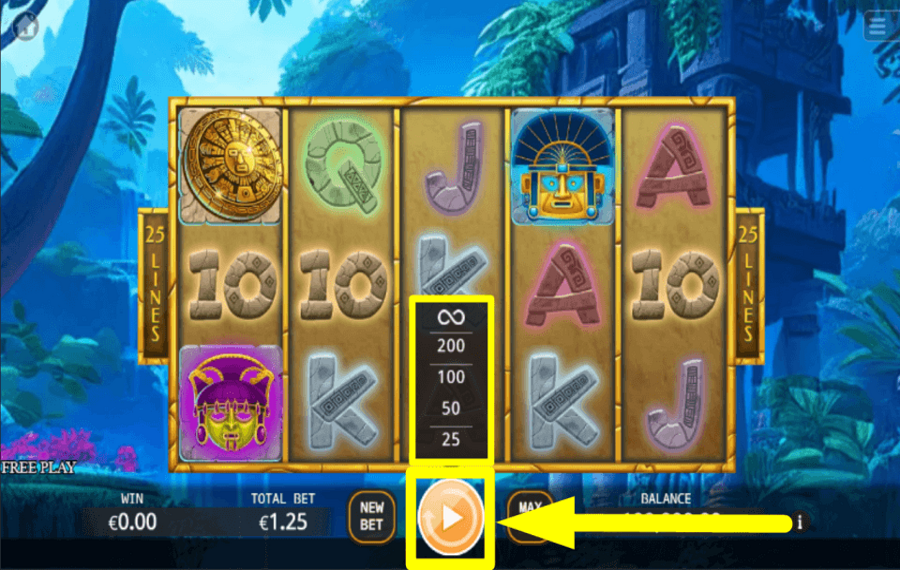
I also advise using session reminders to disrupt the tunnel vision that can emerge during play. A session reminder is a alert that appears after a picked number of minutes. When it appears, I want you to step back and question whether you are still taking logical choices. You can pair this with a time limit that signs you out or restricts access after a set period. These controls are not sanctions; they are guardrails. Many players share with me the mere act of seeing a reminder is enough to finish a session earlier than they would have otherwise. If you forget time quickly, determine a restrained reminder and handle it seriously.
Building a Sustainable Re-entry to Gambling
After a time-out or self-exclusion, some people decide to return to gambling with stricter boundaries. I only support that decision if you have understood what went wrong and have new safeguards in place. Begin with a smaller deposit limit and a briefer session reminder. Set a rule that you will never chase losses, no matter how intense the urge feels. If you detect the same warning signs returning, I advise stopping again immediately and reviewing whether gambling is safe for you at all. A healthy return is not about showing control. It is about being prepared to walk away the moment the experience stops appearing like entertainment. Your welfare always comes before any bet.